- Phone: (031) 849 5566
- WA: +6282140060234
- Email: [email protected]
- Hours: Mon-Fri, 8am - 5pm
Ready for a Job Interview? Get to Know the Types First
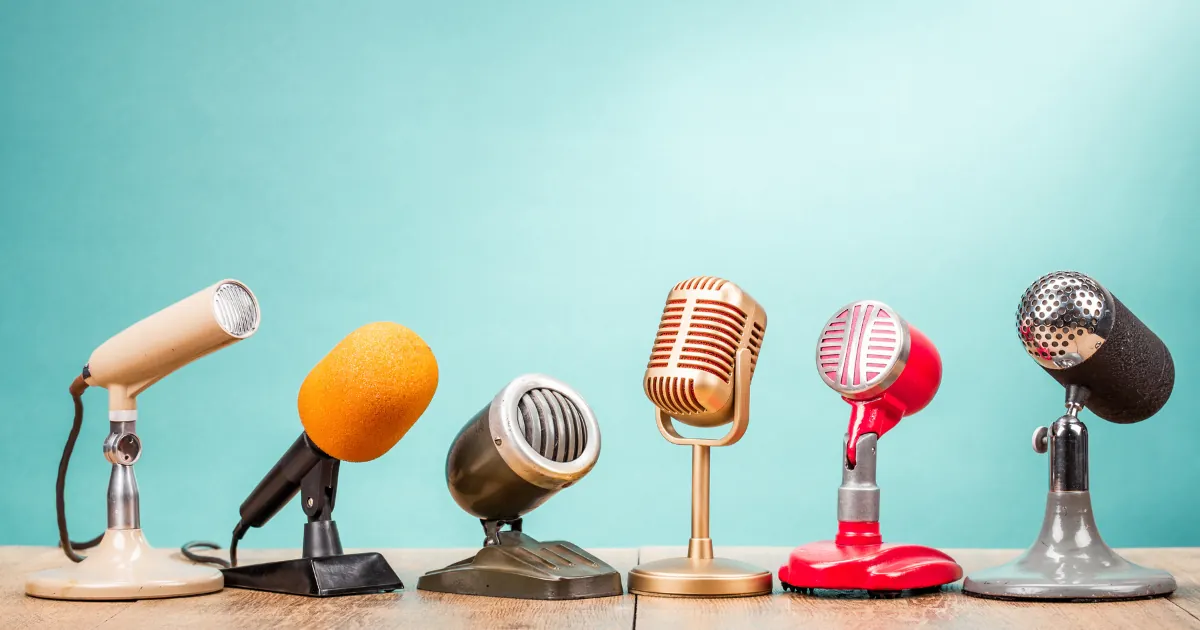
Ready for Job Interview means understanding that today’s recruitment process no longer follows a single, fixed pattern. Advances in technology, changing work practices, and companies’ need for efficiency have made job interviews more diverse than ever.
Different Types of Job Interviews
When applying for a job, interviews are an essential stage that almost every job seeker will go through. For this reason, understanding the types of interviews commonly used today can help you prepare more effectively, stay calm during the process, and approach each interview with greater confidence.
1. Screening Interview
This interview usually takes place at the early stage of recruitment. Its purpose is to get a general picture of the candidate, including educational background, work experience, and motivation for applying. The questions tend to be straightforward, but they play a key role in determining whether you pass to the next stage or not.
2. Telephone Interview
A telephone interview is often used as an initial screening before a deeper interview. Even without face-to-face interaction, interviewer still assess how clear you’ll communicate, how well structured your answers, and your professionalism level. Make sure you speak clearly and stay focused throughout the call.
3. Video Interview
This type of interview has become increasingly common as companies reduce travel costs by using video conferencing tools. During a video interview, it is important to speak clearly without slowing your speech unnaturally. Try to remain enthusiastic while keeping your attitude natural and not overly rehearsed.
4. On-Campus Interview
On-campus interviews are generally aimed at final-year students or fresh graduates. Companies visit campuses or schools to meet potential candidates directly. The process is usually brief, so a clear and confident self-introduction can make a strong impression.
5. Job Fair Interview
Job fair interviews take place in a fast-paced and dynamic environment. Candidates need to introduce themselves in a concise, engaging, and effective way. First impressions are especially important in this type of interview.
Read More : 5 Tips to Handle Job Interviews
6. On-Site Interview
At this stage, candidates are invited to the company’s office. In addition to the interview session, you may have the opportunity to see the work environment firsthand. Employers use this stage to assess whether you are a good fit in terms of both skills and workplace culture.
7. Panel or Group Interview
Panel or group interviews involve multiple interviewers or several candidates at the same time. Through this process, companies evaluate how well you communicate, collaborate with others, and express your ideas in a group setting.
8. Case Interview
Case interviews test analytical thinking and problem-solving skills by asking candidates to work through cases related to the positions they apply for. Interviewers focus not only on the final answer, but also on how candidates think and present their solutions.
By understanding the different types of job interviews, job seekers can prepare themselves more effectively and greater confidence. When you feel ready for a job interview, each experience becomes an opportunity to learn, grow, and bring you closer to the career you want.