- Phone: (031) 849 5566
- WA: +6282140060234
- Email: [email protected]
- Hours: Mon-Fri, 8am - 5pm
Career Cushioning in an Uncertain World of Work
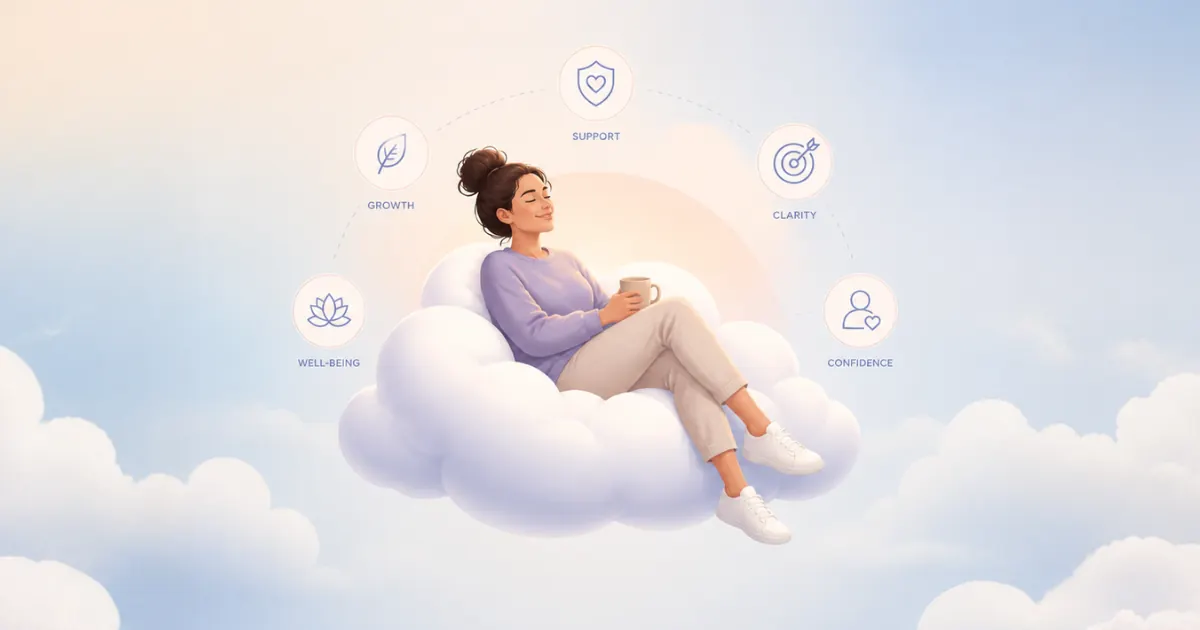
Have you ever been going about your work as usual, but quietly started updating your CV? Or suddenly found yourself more active on LinkedIn, browsing job openings, joining webinars, or wondering if you’re actually ready in case you ever need to move on?
If so, you’re not alone.
This is becoming more common, especially among young professionals. Many people continue working as usual, and yet, at the same time preparing themselves for other possibilities. This trend is known as career cushioning.
Getting to Know Career Cushioning
Career cushioning is a way for individuals to create a sense of security in their careers without having to make big decisions like resigning. It can be as simple as updating your CV, building professional connections, joining training programs, or exploring new opportunities.
According to LinkedIn’s Global Talent Trends report (2023), more professionals are actively building alternative opportunities even while staying in their current roles. This reflects a shift in how people view job stability. It’s not about wanting to leave, but about being prepared for situations that aren’t always predictable.
Being Prepared Isn’t Disloyal
There’s still a common assumption that career cushioning signals a lack of loyalty. In reality, that’s not always the case. Many professionals continue to perform at their best and stay committed to their roles. The difference is, they’re also thinking ahead. They want to be ready in case something changes.
The International Labour Organization (2021) highlights how shifts in the world of work have made employees more aware of the importance of career security and flexibility. In other words, this is less about reduced commitment and more about adapting to a changing environment.
Read More : Career Decisions Are Influenced by Workplace Culture
Why This Is Happening?
Today’s young professionals have grown up in a fast-changing work environment. Change can happen quickly, whether within companies or due to external factors.
Career cushioning, in this context, has become a way for many employees to stay prepared without rushing into major decisions. McKinsey & Company (2023) found that employees are becoming more proactive in managing their careers, including exploring opportunities beyond their current roles. At the same time, easier access to information and job opportunities is also shaping this mindset and behavior.
It’s no surprise that more people are starting to think earlier about their long-term career plan.
Focused at Work, Open to What’s Next
Practicing career cushioning doesn’t mean losing focus at work. In fact, many people continue to do their jobs well while gradually preparing themselves for “what’s next”.
They maintain their performance, build new skills, and expand their networks. At the same time, having a backup plan helps create a sense of calm when facing uncertainty. The World Health Organization (2019) also emphasizes the importance of maintaining mental well-being in the workplace. Feeling secure in your career can help reduce stress and anxiety.
Career cushioning, in times of uncertainty, isn’t about wanting to leave. It’s about making sure you’re ready for whatever comes next. In a world of work that isn’t always predictable, having a backup plan is becoming increasingly relevant. At the end of the day, a career isn’t just about staying in one place, but about being ready to move forward without losing your direction.
References
- International Labour Organization. (2021). Working from home: From invisibility to decent work.
- LinkedIn. (2023). Global Talent Trends Report.
- McKinsey & Company. (2023). The state of hybrid work in Asia-Pacific.
- World Health Organization. (2019). Burn-out an occupational phenomenon: International classification of diseases.